The Emotional Handbook for Partners
written by Michelle A. Hardwick

The Pain You Can’t See: World Menopause Day 2026

The Pain You Can't See: World Menopause Day 2026

By MICHELLE A. HARDWICK

The Pain You Can't See: World Menopause Day 2026

World Menopause Day falls on Sunday 18 October and this year the International Menopause Society has chosen a theme that rarely gets the attention it deserves: chronic pain in midlife.

Not hot flushes. Not mood swings.
Pain.
Aching joints. Stiff mornings. Muscles that complain after the smallest effort. Headaches that arrive without warning. Many women going through perimenopause and menopause report exactly this, and some are told, kindly or otherwise, that it's just part of getting older.

Here is the difficulty with pain you can't see. Nobody can check it. Nobody can measure it. So it's easy, even for people who love us, to quietly decide it's smaller than it really is.
BUY MENOPAUSE WINGMAN HERE
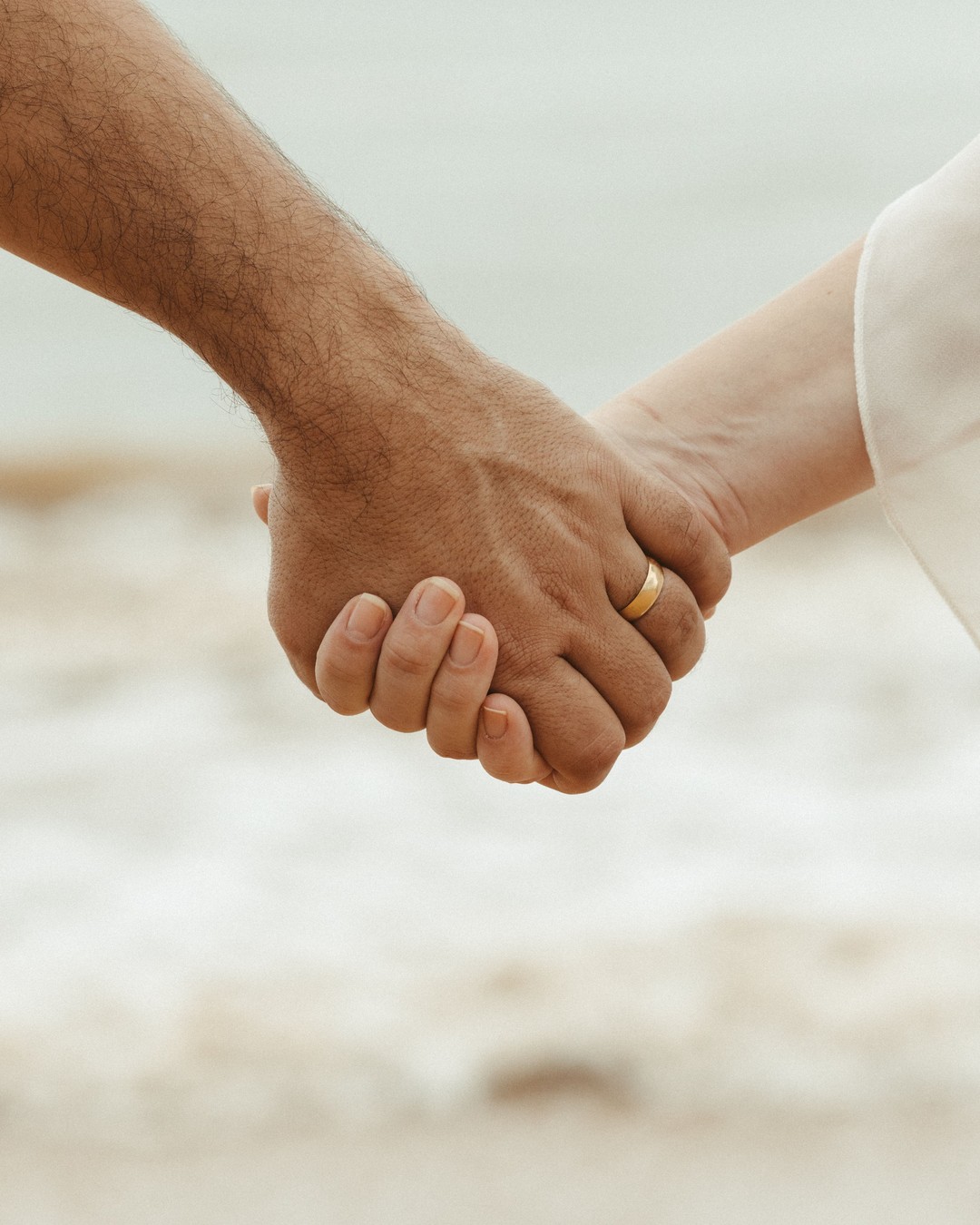
Close-up of two hands clasped together, a man's with a wedding ring and a woman's in a pale sleeve, against a soft blurred beach.

What pain does to a relationship

When someone is living with pain, she may cancel plans, go quiet, snap or head to bed early. From the outside it can look like withdrawal. From the inside it's a body asking for everything she has. Partners usually respond in one of two ways. Some reach for solutions: "Have you tried meditation/stretching etc.? Have you seen someone about it?" Others say nothing at all, afraid of getting it wrong. Neither lands well. What she needs first is to be believed.


What helps

  • Believe her the first time. No cross-examination.
  • Ask what today is like, rather than assuming it's the same as yesterday.
  • Take something off her plate on the hard days, without making a speech about it.
  • Encourage her to talk to her GP. Persistent pain deserves proper medical attention and menopause is only one of the possible causes. Offer to go along if she'd like company.
  • Stay. Listen. Don't disappear.

At work

Many women in their late forties and fifties are carrying pain, tiredness and broken sleep through the working day, often saying nothing. Small adjustments cost very little: a chair that works, flexibility around breaks and start times and a manager who asks rather than assumes. They also keep experienced people in the room.

I'm not a medical professional and nothing here replaces advice from your GP. What I can speak to is the human side: what it's like to live with and how to love, lead or work alongside someone who is.


If this is close to home

If you're living with this, or supporting someone who is and you'd like some company in it, you can find out how to work with me here or take a look at the Menopause Circles. If you lead a team and you'd like to open this conversation in your workplace, you'll find more here.

Want to go deeper?

“Are You Ready to Be Her Wingman?” is a free 10-page guide drawn from the book. Five themes, a self-assessment and real quotes from the men. Sign up here for your free copy.
Why International Men’s Day Matters for Menopause Conversations

Why International Men's Day Matters for Menopause Conversations

By MICHELLE A. HARDWICK

International Men's Day tends to get a mixed reaction. Some people don't know it exists. Others aren't sure what it's actually for.

But every year, on the 19th of November, it quietly asks a question worth sitting with: are men getting the support they need too?

When it comes to menopause, the answer is often no, not because nobody cares, but because nobody's really asked.

BUY MENOPAUSE WINGMAN HERE
international-mens-day-menopause/ Why International Men's Day Matters for Menopause Conversations | Menopause Wingman International Men's Day isn't just about men — it's a chance to open honest conversations about menopause too. Here's why the two are more connected than you'd think.

Menopause conversations have made real progress in recent years. Women are speaking more openly. Workplaces are slowly catching up. But there's a whole side of this experience that's barely been touched: the men standing beside the women going through it, quietly trying to work out what to do and rarely given the tools, the language or the permission to ask for help themselves.

That's exactly why I think International Men's Day and menopause belong in the same conversation.

Men Are Affected Too: Just Differently

Nearly two-thirds of Irish women say they rely on Google, rather than their GP or their partner, for information about menopause. That tells you something important: even the people closest to it are often left figuring things out alone, including the men trying to support them.

Men aren't expected to understand hormones or symptoms. But they are expected by themselves, (often unfairly) to know how to help. And when nobody teaches them how, the silence can quietly strain even strong relationships.

A Day, and a Space, to Start Differently

This year, I'm marking International Men's Day with a free book reading and sharing circle at Cobh Library. A space for men to ask the questions they don't usually get to ask, without judgement and without needing to have the answers first.

It felt like exactly the right day to do it. International Men's Day isn't about taking anything away from the menopause conversation. It's about finally including the other half of the room.

Join Us

📅 Thursday 19th November 2026, 11am–12.30pm
📍 Cobh Library
Free. Spaces limited. Full details and how to book here.

If you can't make it in person, you don't have to navigate this alone either way. Find out more about working with me here. 

Want to go deeper?

“Are You Ready to Be Her Wingman?” is a free 10-page guide drawn from the book.
Five themes, a self-assessment and real quotes from the men. Click here to go to our Freebie page to sign up for it.